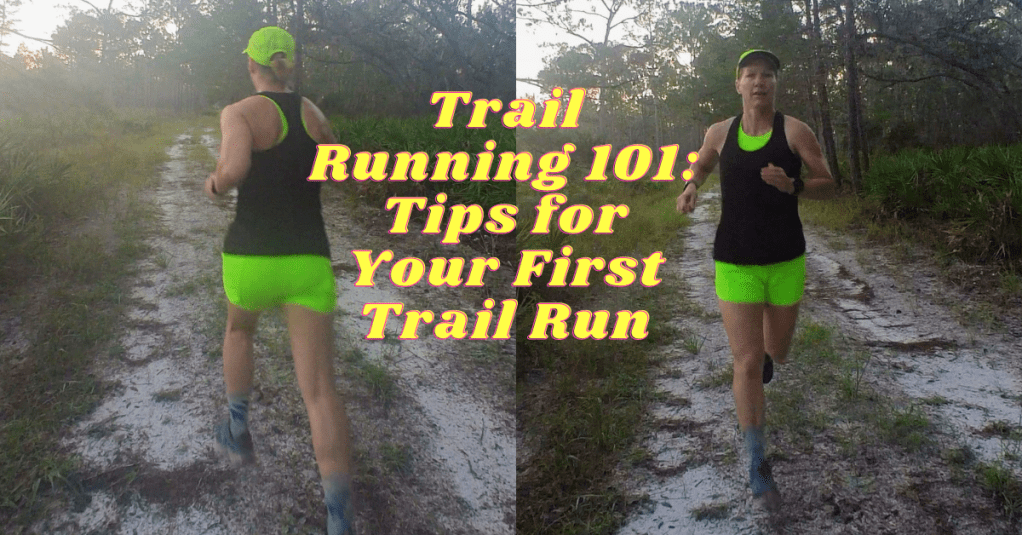

Trail running isn’t just about breaking a sweat; it’s also about reaping the incredible benefits that come with it. One of the most noticeable advantages is the change of scenery. Unlike monotonous road running, the trails offer an ever-changing landscape of natural beauty. You’ll find yourself surrounded by lush forests, serene lakes, and breathtaking vistas that make every run a unique adventure.
Moreover, trail running can do wonders for your running fitness. The uneven terrain and natural obstacles engage your leg and ankle muscles in ways that road running simply can’t match. Over time, this helps build strength, stability, and balance, reducing the risk of injury and improving your overall fitness.
But it’s not just your body that benefits; trail running is also a refreshing mental break. As you lose yourself in the tranquility of the woods or the majesty of the mountains, you’ll experience a sense of calm and mental clarity that’s hard to come by in our fast-paced lives. It’s the perfect escape from the hustle and bustle of daily routines and a chance to reconnect with nature and yourself. Here are my top tips for trail running to help you have a safe and enjoyable trail running experience.
Find The Right Trail
Before lacing up your trail shoes, the first step is to find a suitable trail. Safety should be your top priority, so choose a trail that matches your fitness level and experience. If you’re a beginner, opt for well-maintained and easy-to-navigate trails. You can explore more challenging routes as you gain confidence. Many local parks have short off road trails or nature paths that are a great introduction to trail running. A site like AllTrails can help you find some routes near to your area. Once you have found a trail, see if you can find a map, or even just a photo of the trailhead map. Familiarize yourself with the trail before heading out, and consider downloading offline maps or using GPS apps to track your location.
What Gear To Wear
Most of the time, your regular running gear will work just fine on trails, especially an easier path that is not too technical. However, there are a few pieces of gear that can make running trails more comfortable.
A good pair of trail running shoes with sturdy soles and excellent grip will help you tackle uneven terrain safely. Trail running shoes usually have a more aggressive sole to avoid slipping on trails and grip the ground better. Depending on your terrain, you may need either a lighter, less agressive sole, or a heavy shoe to protect from rocks. My trails in Florida are mostly soft sand and pine forests, so I use the Saucony Ride TR which is a great crossover shoe for mixed terrain. Whichever shoe you pick, make sure they fit well to avoid discomfort or blisters.
Another essential piece of gear for me is a running hat. A lightweight, moisture-wicking hat can shield you from the sun, keep sweat out of your eyes, and even offer some protection from low branches. It also helps keep any bugs from getting tangled in my hair!
And lastly, choose running clothes that give you a little more coverage to protect your skin. You will still need to dress according to your temperature, but even if if is hot out, try and wear running gear that offers more skin coverage. For example, choose shorts that are a little longer or wear short sleeve shirt vs. a tank. I also like to wear socks that come up a little higher on my ankle to keep the dirt from finding its way into my shoes.
Essentials To Bring Along
Before you head out on your adventure, there are just a few items you may want to bring alonSpeaking of bugs, a final must for me is bug spray. Depending on your location and the time of year, pesky insects can be a real nuisance. Protect yourself with bug spray to avoid itchy encounters. After your run, give yourself a quick once over to make sure no bugs are trying to hitch a ride home!
I also carry water with me and an extra nutrition gel. Even if I am only planning a short run, trail runs can take a little longer and you are often away from other people. I always carry a small handheld water bottle such as the Nathan Insulated SpeedShot. This is plenty of water for a run under an hour, and it is easy to bring along. It also has a small zippered pocket where I tuck a nutrition gel into. Even if I don’t think I need the gel, it’s always good to have out there on the trail in case your run takes a little longer.
Pace Yourself!
My final tip is to pace yourself on a trail run. One of the most common mistakes I made as a beginner was not adjusting my pace to accommodate the varying terrain. Trails can be hilly, rocky, and filled with obstacles, which can slow you down. Even on a trail that is marked as “easy” will take more effort for you body to run on vs. smooth road or asphalt. Slowing down the pace a little also gives your eyes a better chance to scan the path ahead for any obstacles like rocks, roots, or uneven terrain. Don’t push too hard; take it slow, especially on uphill sections, and conserve your energy.
Remember, safety and comfort are paramount when you’re out on the trails. Don’t forget to let someone know your planned route and expected return time, especially if you’re running alone. As you gain more experience, you’ll discover your own trail running tips and tricks. Embrace the adventure, take in the breathtaking scenery, and enjoy every moment of your trail running journey.
This blog post may contain Amazon Affiliate links. If you click on one of these links and make a purchase on Amazon, I may receive a small commission at no additional cost to you. Please note that I only recommend products that I personally use and trust. By using these Amazon Affiliate links, you are supporting this blog and allowing me to continue creating content for you. Thank you for your support!
 Trail Jenny
Leave a comment